IINDIGO IS A TRADING NAME OF MARK J DRAPER © Copyright 2023 Quick Creator - All Rights Reserved
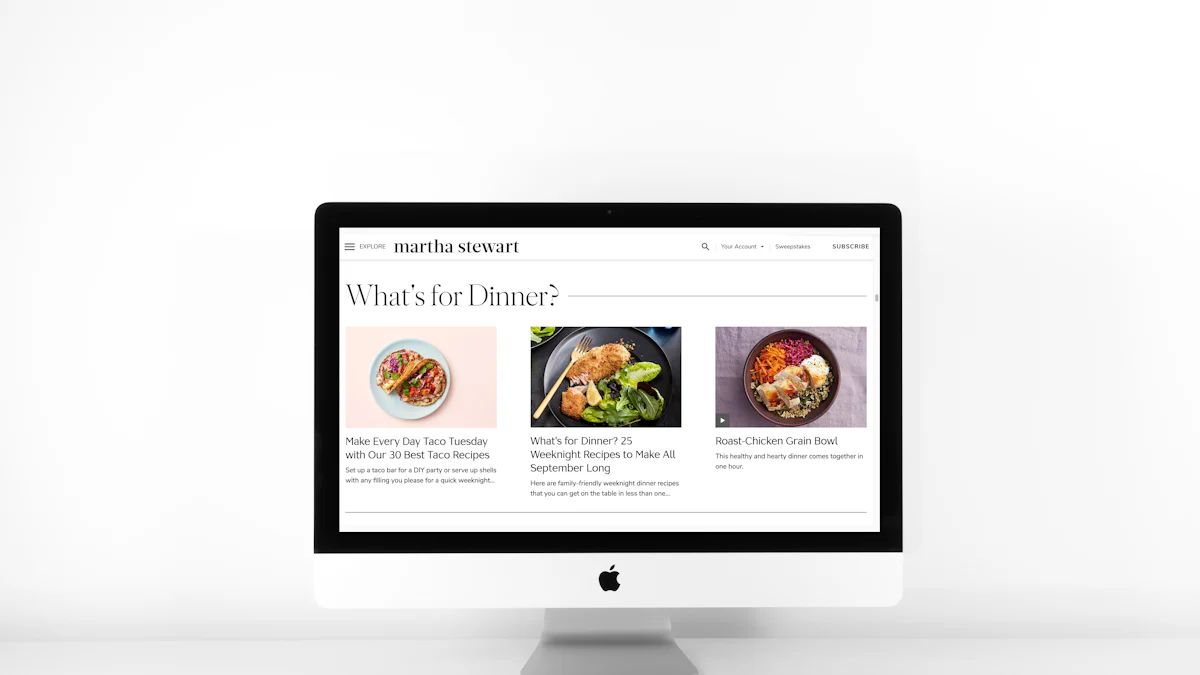
Image Source: pexels
Introduction
In today's digital age, having a professional website for your small business is no longer just an option, but a necessity. With the majority of consumers turning to the internet to search for products and services, a well-designed website can make all the difference in attracting potential customers and growing your business. A website serves as a virtual storefront that showcases your brand, communicates your values, and provides essential information about your products or services. It not only establishes credibility but also allows you to reach a wider audience beyond your geographical location.
A professionally designed website creates a strong first impression and instills trust in potential customers. It conveys that you are serious about your business and are committed to providing quality products or services. By including relevant information such as your company history, mission statement, and team members' profiles on an "About Us" page, you can establish a personal connection with visitors and showcase what sets you apart from competitors.
Furthermore, having dedicated pages for different aspects of your business is crucial in guiding visitors through their buyer's journey. A "Services" page provides detailed information about the specific products or services you offer, allowing potential customers to understand how you can meet their needs. This page should highlight key features, benefits, pricing options, and any unique selling points that differentiate you from competitors.
Another must-have page for any small business website is the "Contact" page. This page should include essential contact information such as phone numbers, email addresses, physical address (if applicable), and links to social media profiles. By making it easy for visitors to get in touch with you, you increase the likelihood of converting them into paying customers.
Testimonials play a crucial role in building trust and credibility with potential customers. Including a "Testimonials" page on your website allows satisfied clients to share their positive experiences with others. These testimonials serve as social proof of the value you provide and can significantly influence purchasing decisions.
Lastly, incorporating a blog page on your website can greatly benefit your small business. A blog allows you to share valuable content, industry insights, and updates with your audience. It not only helps establish you as an expert in your field but also improves your website's search engine optimization (SEO) by providing fresh and relevant content.
About Us Page
The About Us page is one of the most crucial pages on your small business website. It provides an opportunity for you to introduce yourself, showcase your expertise, and build trust with your audience. This page allows visitors to get a glimpse into who you are as a business and what sets you apart from your competitors.
When creating an effective About Us page, there are a few key elements to consider. First and foremost, it's important to clearly communicate your mission and values. This helps potential customers understand what you stand for and what drives your business. By sharing your mission, you can connect with like-minded individuals who resonate with your purpose.
Another important aspect of the About Us page is providing information about the team behind the business. Introduce yourself and any key members of your team, highlighting their experience and qualifications. This helps establish credibility and expertise in the eyes of your audience. Consider including professional headshots or team photos to put faces to names and make a more personal connection.
In addition to showcasing your team, it's also beneficial to share some background information about the history of your business. How did it all start? What motivated you to start this venture? Sharing these stories can help create an emotional connection with your audience and make them feel more invested in your success.
Furthermore, it's essential to highlight any accolades or achievements that set you apart from competitors. Have you won any awards or received recognition in your industry? Including this information on your About Us page can help build trust and credibility with potential customers.
Lastly, don't forget to include a call-to-action on your About Us page. Whether it's encouraging visitors to contact you for more information or directing them to other relevant pages on your website, providing a clear next step helps guide users through their journey on your site.
Services Page
The Services page is an essential component of any small business website. It serves as a platform to showcase the range of products or services that your business offers. This page plays a crucial role in attracting potential customers and convincing them to choose your business over competitors.
One of the key reasons why the Services page is so important is that it provides visitors with a clear understanding of what your business can offer them. When users land on your website, they are likely looking for specific information about the products or services they are interested in. By having a dedicated Services page, you can provide detailed descriptions and specifications for each offering, making it easier for visitors to find exactly what they're looking for.
To effectively showcase your services, it's important to organize the content in a user-friendly manner. Start by categorizing your offerings into logical sections or groups. For example, if you run a web design agency, you might have separate sections for website development, graphic design, and digital marketing services. This helps visitors navigate through the different options and find the specific service they need.
Within each section, provide comprehensive information about each service. Describe its features, benefits, and any unique selling points that set it apart from similar offerings in the market. Use clear and concise language to explain how each service can solve problems or meet the needs of potential customers.
Visual elements such as images or videos can also be powerful tools for showcasing your services. Including high-quality visuals that accurately represent your offerings can help users visualize how they would benefit from choosing your business. For instance, if you're offering landscaping services, include before-and-after pictures of previous projects to demonstrate the transformational impact of your work.
Another effective strategy is to include testimonials or case studies on your Services page. Positive feedback from satisfied customers can instill trust and confidence in potential clients who may be considering using your services. Testimonials provide social proof that others have had positive experiences with your business and can help to alleviate any doubts or concerns.
In addition to showcasing your services, the Services page should also provide clear calls to action. Encourage visitors to take the next step by including buttons or links that prompt them to contact you for more information, request a quote, or make a purchase. Make it as easy as possible for potential customers to engage with your business and convert their interest into action.
Contact Page
The Contact page is an essential component of any small business website. It serves as a direct line of communication between your business and potential customers, allowing them to easily reach out to you with inquiries, feedback, or requests for more information. Having a well-designed and informative Contact page can greatly enhance the user experience and increase the likelihood of conversion.
When creating a Contact page for your small business website, there are several key pieces of information that should be included. First and foremost, it is important to provide multiple ways for visitors to get in touch with you. This can include a contact form, email address, phone number, and even links to your social media profiles. By offering various means of contact, you are accommodating different preferences and ensuring that visitors can reach out in the way that is most convenient for them.
In addition to contact details, it is also beneficial to provide some context about your business on the Contact page. This can include a brief overview of what your company does, its mission or values, and any other relevant information that may help visitors understand who you are and what you offer. By providing this background information, you are establishing credibility and building trust with potential customers.
Another important element to consider when designing your Contact page is the inclusion of a map or directions to your physical location (if applicable). This is particularly relevant for businesses with brick-and-mortar stores or offices. Including a map not only helps visitors find their way to your location but also adds another layer of trust by showing that you have a physical presence.
Lastly, it is crucial to make sure that your Contact page is visually appealing and easy to navigate. Use clear headings and subheadings to organize the different sections of the page, making it easy for visitors to find the information they need. Consider using icons or graphics to highlight different contact methods or add visual interest.
Testimonials Page
A testimonials page is an essential component of any small business website. It serves as social proof, showcasing the positive experiences and feedback from your satisfied customers. By including testimonials on your website, you can build trust and credibility with potential customers, ultimately increasing conversions and sales.
One of the main reasons why a testimonials page is important is because it provides evidence of your business's value and quality. When visitors come to your website, they want to know if your products or services are worth their time and money. By featuring testimonials from previous customers who have had a positive experience with your business, you can demonstrate that others have found value in what you offer.
To make the most out of your testimonials page, there are a few tips you should keep in mind. First, ensure that the testimonials you include are genuine and authentic. Potential customers can easily spot fake or fabricated testimonials, which can harm your reputation and credibility. Reach out to satisfied customers and ask them if they would be willing to provide a testimonial for your website. You can also consider using platforms like Trustpilot or Google Reviews to collect reviews from verified customers.
When displaying testimonials on your website, it's important to include relevant information about the customer who provided the testimonial. This could include their name, job title, company name (if applicable), and even a photo if they're comfortable with it. Adding these details adds credibility to the testimonial and helps potential customers relate to the person providing the feedback.
Another tip for an effective testimonials page is to showcase a variety of testimonials that highlight different aspects of your business. For example, include testimonials that speak to different products or services you offer, as well as different customer demographics or industries. This will help potential customers see how your business can meet their specific needs or requirements.
In addition to written testimonials, consider incorporating other forms of media such as video or audio testimonials. These formats can add an extra layer of authenticity and engagement, as potential customers can see and hear real people sharing their positive experiences with your business.
Lastly, regularly update your testimonials page to keep it fresh and relevant. As you continue to serve more customers and receive new feedback, make sure to add the latest testimonials to your page. This shows that your business is consistently delivering value and maintaining customer satisfaction.
Blog Page
The Blog page is an essential component of a small business website. It serves as a platform for sharing valuable content, engaging with customers, and establishing credibility in your industry. In today's digital age, having a blog can significantly benefit your small business in various ways.
One of the primary benefits of having a blog for your small business is the opportunity to showcase your expertise and knowledge. By regularly publishing informative and insightful articles related to your industry, you can position yourself as an authority in your field. This not only helps build trust with potential customers but also sets you apart from competitors who may not have a blog.
Furthermore, a blog allows you to provide value to your audience by addressing their pain points and answering their questions. By understanding the needs and interests of your target market, you can create content that resonates with them and provides solutions to their problems. This not only establishes you as a helpful resource but also increases the chances of attracting and retaining customers.
In addition to showcasing expertise and providing value, having a blog can also improve your search engine visibility. Search engines like Google prioritize websites that regularly produce high-quality content. By consistently publishing well-researched articles on relevant topics, you increase the likelihood of ranking higher in search engine results pages (SERPs). This means more organic traffic to your website and potentially more leads for your small business.
Creating engaging blog content is crucial for capturing the attention of your audience and keeping them coming back for more. Here are some tips to help you create compelling blog posts:
Know Your Audience: Before writing any blog post, it's important to understand who you're writing for. Research your target market's demographics, interests, pain points, and preferences. This will help you tailor your content to their needs and make it more relatable.
Choose Relevant Topics: Focus on topics that are relevant to both your business and your target audience. Conduct keyword research to identify popular search terms related to your industry. This will not only help you create content that people are actively searching for but also improve your chances of ranking higher in search results.
Provide Value: Your blog posts should provide valuable information or insights that your audience can benefit from. Offer practical tips, how-to guides, industry trends, and expert opinions. By providing value, you position yourself as a trusted source of information and increase the likelihood of attracting and retaining readers.
Use Engaging Formats: Mix up the format of your blog posts to keep them interesting and engaging. Incorporate visuals such as images, infographics, videos, or charts to enhance the readability and appeal of your content. Break up long paragraphs with subheadings to make it easier for readers to scan through the article.
Encourage Interaction: Encourage readers to leave comments, ask questions, and share their thoughts on your blog posts. Respond promptly and engage in conversations with your audience. This not only helps build a sense of community but also provides valuable feedback and insights into what topics resonate most with your readers.
Conclusion
In conclusion, having the right pages on your small business website is crucial for success in today's digital world. The About Us page allows you to share your story and build trust with potential customers. It gives them a glimpse into who you are, what you stand for, and why they should choose your business. The Services page is where you can showcase the products or services you offer. This page provides detailed information about each offering, helping visitors understand how your business can meet their needs.
The Contact page is a vital component of any small business website. It provides visitors with an easy way to get in touch with you, whether it's through a contact form, email address, or phone number. By making it simple for people to reach out, you increase the chances of converting them into customers.
Testimonials are powerful social proof that can help build credibility and trust. Having a dedicated Testimonials page allows satisfied customers to share their positive experiences with others. These testimonials can influence potential customers' decisions and give them confidence in choosing your business.
Lastly, don't underestimate the power of a Blog page. A blog allows you to regularly create fresh and valuable content that not only engages your audience but also improves your website's visibility in search engines. By sharing industry insights, tips, and news related to your business, you position yourself as an expert in your field.
To succeed online and attract more customers, make sure your small business website includes these must-have pages: About Us, Services, Contact, Testimonials, and Blog. Remember to keep these pages updated with relevant information and engaging content regularly.
Now that you understand the importance of these pages for your small business website, take action today and start creating them. Invest time in crafting compelling content that resonates with your target audience. With a well-designed website featuring these essential pages, you'll be on the path to attracting more customers and growing your business online.
Don't wait any longer – get started now and make your small business website a powerful tool for success!
See Also
Selecting the Perfect Website Builder for Your Business
The Significance of a Business Website for Online Triumph
Essential Preparations Prior to Building Your Business Website
Strategies to Successfully Expand Your Business in Stockport
Unraveling Local SEO: Enhance Your Business's Online Presence